


Microrasboras: Tiny Fish with Big Personalities
Microrasboras: The Ultimate Guide to These Tiny Aquarium Gems
If you’ve been exploring the world of nano aquariums, you’ve likely come across these absolutely captivating little fish. As someone who’s been breeding nano fish for over a decade, I can tell you that Microrasboras (now properly classified under Microdevario) hold a special place in my heart and my tanks. These miniature marvels rarely exceed an inch in length, yet they pack more personality and beauty into their tiny bodies than many fish ten times their size.
In this comprehensive guide, I’ll share everything I’ve learned about keeping these remarkable fish happy and healthy. Whether you’re setting up your first nano tank or looking to add some sparkle to an established aquarium, Microrasboras might just become your new favorite fish. Let’s dive into the fascinating world of these petite swimmers and discover why they’re perfect for nano aquarium enthusiasts.
Meet the Microrasbora: Small but Mighty
The genus Microdevario includes several stunning species that were formerly grouped under Microrasbora. The most popular species you’ll encounter include Microdevario kubotai (the neon green rasbora), Microdevario gatesi (the Burmese micro rasbora), and the beloved Microdevario nanus. These fish originate from Southeast Asia, particularly Myanmar, Thailand, and surrounding regions, where they inhabit slow-moving streams, ponds, and rice paddies with dense vegetation. In their natural habitat, they form large schools that shimmer like living jewels as they dart between submerged plants.
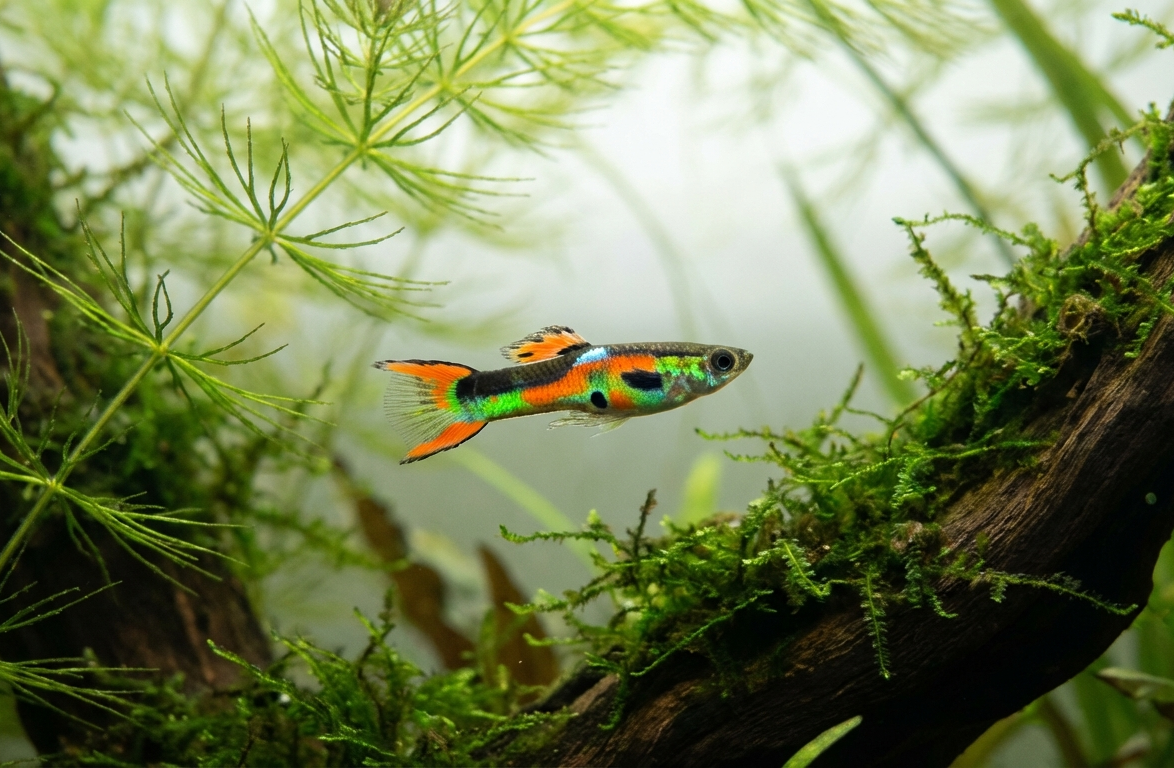
What makes these fish truly special is their combination of diminutive size and striking appearance. Most species display iridescent colors that seem to glow under proper lighting. The neon green rasbora, for instance, shows brilliant emerald and blue hues that rival any marine fish. Despite their small size (typically 0.5 to 1 inch), they’re surprisingly hardy once established in a well-maintained tank. As a breeder, I’ve found them to be more resilient than their delicate appearance suggests, though they do require stable water conditions and appropriate tank mates.
Setting Up the Perfect Tank for Your Microrasbora
Creating an ideal environment for Microrasboras doesn’t require a massive investment or complicated equipment. In fact, these fish thrive in nano tanks as small as 5 gallons, though I recommend a minimum of 10 gallons for a proper school. The key is replicating their natural habitat with plenty of plants, subdued lighting, and gentle water flow. I’ve had my best success with heavily planted tanks featuring species like Java moss, cryptocorynes, and floating plants that create dappled lighting conditions.
Water parameters are crucial for long-term success with these sensitive fish. They prefer soft to moderately hard water with a pH between 6.5 and 7.5, and temperatures ranging from 73 to 79°F (23 to 26°C). Here are the essential requirements for your Microrasbora tank:
Tank Setup Checklist:
- Fine-grained sand or dark substrate to enhance colors
- Dense planting with open swimming areas
- Gentle filtration (sponge filters work excellently)
- Subdued lighting or floating plants for shade
- Minimal water flow (they’re not strong swimmers)
- Regular water changes (20-30% weekly)
Water quality cannot be compromised with these small fish. Their tiny bodies are more susceptible to ammonia and nitrite spikes, so ensure your tank is fully cycled before introducing them. I always recommend using an established sponge filter from another healthy tank to jumpstart the biological filtration. The dark substrate I mentioned earlier isn’t just aesthetic; it helps these fish feel secure and displays their colors more vibrantly, as they tend to pale out over light-colored substrates.
Understanding Microrasbora Behavior and Social Life
Watching a school of Microrasboras interact is like observing a carefully choreographed underwater ballet. These fish are highly social and absolutely must be kept in groups of at least 8 to 10 individuals, though 15 or more is ideal for a truly spectacular display. In smaller groups, they become stressed, hide constantly, and lose their vibrant coloration. I’ve noticed that when kept in proper schools, they exhibit fascinating hierarchical behaviors with dominant males displaying more intensely to attract females.
Their peaceful nature makes them excellent community fish, but choosing tank mates requires careful consideration. Microrasboras can be intimidated or outcompeted for food by larger, more boisterous species. Perfect companions include:
- Small Corydoras species (C. pygmaeus, C. hastatus)
- Dwarf shrimp (Cherry shrimp, Amano shrimp)
- Small snails (Nerite snails, Ramshorn snails)
- Other peaceful nano fish (Chili rasboras, Ember tetras)
- Small bottom dwellers (Otocinclus catfish)
One behavior that fascinates me is their response to feeding time. Unlike more aggressive feeders, Microrasboras are deliberate and somewhat timid eaters. They prefer to pick at food slowly rather than rushing to grab every morsel. This means you need to ensure food reaches them before tank mates consume everything. Males also display interesting spawning behaviors, with intensified colors and gentle chasing of females among the plants. While they can breed in community tanks, raising the fry requires separate rearing due to their microscopic size.
Feeding and Care Tips for Healthy Microrasboras
Nutrition is absolutely critical for these tiny fish, and their small mouths require appropriately sized food. In nature, they feed on microscopic organisms, small insects, and zooplankton. In the aquarium, they need high-quality foods that are both nutritious and small enough to consume. This is where many aquarists struggle, as standard tropical flakes are often too large for their tiny mouths to handle effectively.
I’ve tested countless foods over the years, and I can’t stress enough how important proper nutrition is for maintaining vibrant colors and healthy immune systems. My Microrasboras thrive on a varied diet that includes:
- High-quality micro pellets specifically formulated for nano fish
- Finely crushed flakes (though not ideal as a staple)
- Live foods like baby brine shrimp and micro worms
- Frozen daphnia and cyclops (excellent for conditioning)
- Specialized nano fish food designed for small mouths
For optimal nutrition, I highly recommend Nano Fish Food Grow Up Meal, which is specifically formulated for tiny species like Microrasboras. This food features appropriately sized particles that won’t overwhelm their small mouths, and it’s packed with the proteins and vitamins necessary for brilliant coloration and healthy growth. I’ve noticed significant improvements in breeding behavior and color intensity when using specialized nano foods compared to generic options.
Feed small amounts 2-3 times daily rather than one large feeding. These fish have fast metabolisms and benefit from frequent, small meals. Watch during feeding to ensure all fish are eating; if some appear thin or aren’t competing for food, they may need extra attention. Regular observation during feeding time is your best tool for catching health issues early. Healthy Microrasboras should be active during feeding, with rounded (not sunken) bellies and vibrant colors.
Frequently Asked Questions About Microrasboras
How many Microrasboras can I keep in a 10-gallon tank?
A 10-gallon tank can comfortably house 12-15 Microrasboras along with some small bottom dwellers like pygmy Corydoras or shrimp. Remember that more is better for schooling behavior, so aim for larger groups rather than mixing multiple species in limited space.
Can Microrasboras live with bettas?
While some hobbyists have success with this combination, I generally don’t recommend it. Bettas may view the small, colorful Microrasboras as competition or prey, and the rasboras’ timid nature means they’ll likely be stressed by a betta’s presence, even if not directly harassed.
How long do Microrasboras live?
With proper care, most Microdevario species live 3-4 years in captivity. Some individuals in optimal conditions have reached 5 years. Stable water parameters, quality nutrition, and low stress levels are key to longevity.
Are Microrasboras difficult to breed?
They’re moderate difficulty. They’ll spawn readily in planted tanks, but the fry are extremely small and require infusoria or specialized liquid fry food for the first week. Separate breeding tanks with spawning mops or fine-leaved plants yield the best results.
Why are my Microrasboras losing color?
Color loss typically indicates stress from poor water quality, inadequate diet, insufficient school size, or intimidation from tank mates. Check your water parameters first, ensure you have at least 10 individuals, and evaluate their nutrition and tank mates.
Conclusion
Microrasboras represent everything wonderful about the nano aquarium hobby. These tiny fish prove that size doesn’t determine impact; their shimmering colors, peaceful nature, and fascinating behaviors create aquascapes that rival any large display tank. Through years of working with these species, I’ve developed a deep appreciation for their subtle beauty and the unique challenges they present to aquarists willing to meet their specific needs.
Success with Microrasboras comes down to understanding their requirements and committing to stable, high-quality conditions. A properly planted tank with gentle filtration, appropriate water parameters, and suitably sized nutrition will reward you with healthy, colorful fish that thrive for years. Don’t cut corners on food quality; investing in specialized nano fish foods makes an enormous difference in their health and appearance. If you’re ready to experience the magic of these miniature marvels, start with a well-planned setup, be patient during the cycling process, and prepare to fall in love with some of the smallest fish in the hobby. Your nano aquarium will never be the same!
Related posts


 24/11/2025

Leave a Comment
Your email address will not be published. Required fields are marked *