


The Complete Guide to Keeping Medaka Rice Fish
Medaka Rice Fish: The Perfect Nano Aquarium Companion
If you’re looking for a hardy, colorful, and absolutely fascinating fish for your nano aquarium, let me introduce you to my personal favorite: the Medaka rice fish (Oryzias latipes). I’ve been breeding these little gems for over a decade, and they never cease to amaze me with their resilience and charm. These fish have been swimming in rice paddies across Japan, Korea, and China for thousands of years, and they’ve earned their place as one of the most underrated species in the hobby.
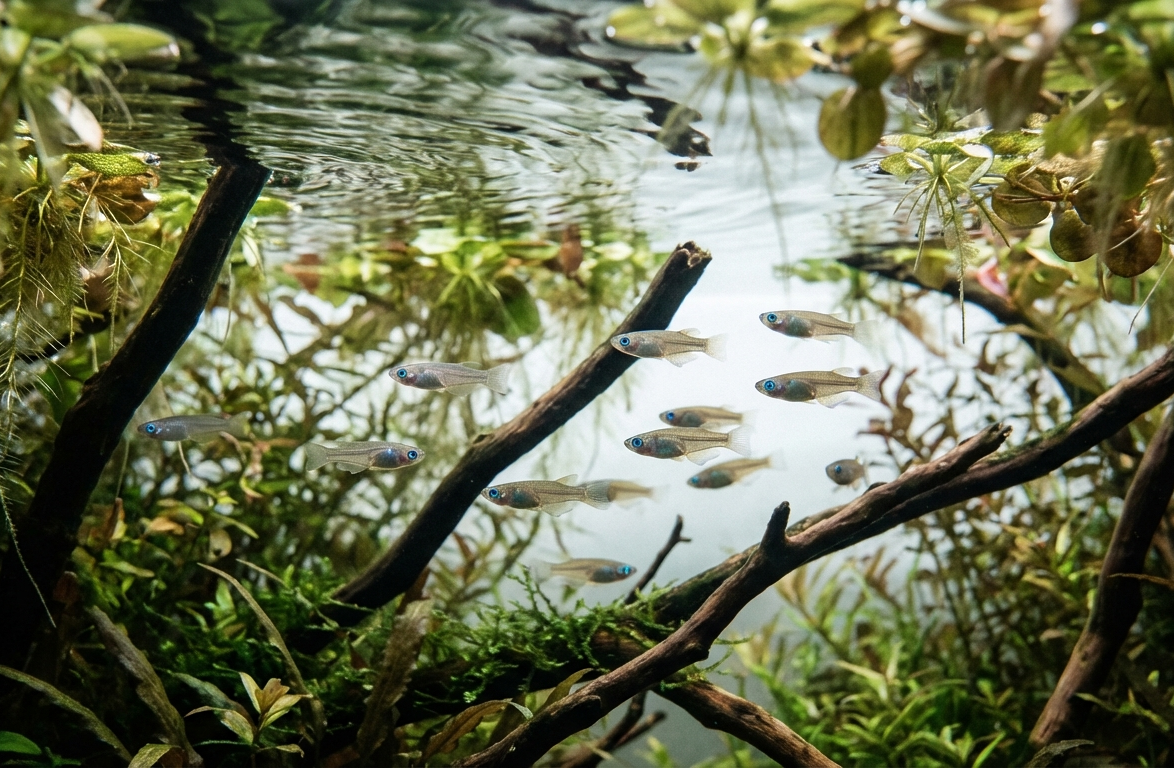
What makes Medaka so special for nano tanks is their perfect combination of small size, peaceful temperament, and stunning variety. These fish rarely grow beyond 1.5 inches, making them ideal for tanks as small as 5 gallons. Over the years, Japanese breeders have developed hundreds of color varieties, from metallic oranges and blues to transparent specimens that look like living glass. Trust me when I say that once you start keeping Medaka, you’ll understand why they’ve become a cultural icon in Japan and an increasingly popular choice for nano aquarium enthusiasts worldwide.
Understanding Medaka Rice Fish Basics
Medaka rice fish are incredibly adaptable creatures that have survived in various environments for millions of years. In the wild, they inhabit slow-moving streams, rice paddies, and even brackish water areas, which explains their remarkable hardiness. These fish can tolerate temperature ranges from 64°F to 78°F, though they thrive best around 72-75°F. What really impressed me during my breeding experiments is their ability to handle pH levels from 6.5 to 8.0, making them forgiving for beginners who might struggle with water chemistry.
The lifespan of Medaka typically ranges from 3 to 5 years with proper care, though I’ve had some exceptional individuals live beyond 6 years. They’re schooling fish by nature, so I always recommend keeping them in groups of at least six specimens. You’ll notice they display much more natural behavior and confidence when kept in proper schools. Males are generally slimmer with longer dorsal and anal fins, while females have a rounder body shape, especially when carrying eggs. The social dynamics within a Medaka school are fascinating to observe, with males displaying subtle courtship behaviors throughout the day.
Setting Up Your Medaka Aquarium
Creating the perfect home for your Medaka doesn’t require an elaborate setup, but there are some key considerations I’ve learned through years of experience. For a small group of 6-8 fish, a 10-gallon tank works wonderfully, though they can thrive in tanks as small as 5 gallons if you’re keeping just 4-5 individuals. The tank should be longer rather than taller, as Medaka are surface dwellers that appreciate horizontal swimming space. I prefer using sponge filters or gentle hang-on-back filters because strong currents can stress these fish, which evolved in calm waters.
Here’s what I include in every Medaka setup:
- Fine-grained substrate or sand (optional, as they don’t interact much with the bottom)
- Floating plants like water lettuce or salvinia for shade and security
- Some stem plants or java moss for egg-laying surfaces
- Gentle filtration with minimal water movement
- Good lighting to showcase their colors (but provide shaded areas)
Water quality is straightforward with Medaka. They’re not particularly sensitive to minor fluctuations, but I maintain ammonia and nitrite at 0 ppm, with nitrates below 20 ppm. Weekly water changes of 25-30% keep them healthy and vibrant. One thing I’ve noticed is that Medaka actually display better colors with natural sunlight exposure (indirect is fine), which mimics their rice paddy habitat. Just be careful not to let the tank overheat on sunny days.
Feeding and Daily Care for Medaka
Medaka are enthusiastic eaters with surprisingly big appetites for such small fish. In nature, they feed primarily on small insects, zooplankton, and algae near the water surface. This makes them perfect candidates for high-quality micro pellets designed specifically for nano species. I’ve found that Nano Fish Food Grow-Up Meal works exceptionally well for Medaka because the pellet size is perfect for their small mouths, and the nutritional profile supports their vibrant coloration and breeding condition.
Feed your Medaka 2-3 times daily, offering only what they can consume in about 2 minutes. I typically rotate between quality nano pellets, frozen daphnia, baby brine shrimp, and occasionally crushed flakes. The variety keeps them interested and ensures complete nutrition. Here’s my weekly feeding schedule:
- Monday & Thursday: Nano Fish Food pellets (morning), frozen daphnia (evening)
- Tuesday & Friday: Nano Fish Food pellets (morning), baby brine shrimp (evening)
- Wednesday & Saturday: Nano Fish Food pellets twice daily
- Sunday: Fasting day or light feeding (helps with digestion)
Beyond feeding, daily care is minimal. I spend a few minutes each morning observing their behavior and checking that all fish are active and feeding. Any sudden changes in swimming patterns or appetite can indicate problems. The tank glass might need occasional cleaning, but Medaka produce relatively little waste compared to other species. I’ve found that maintaining a consistent routine helps these fish thrive, as they’re creatures of habit who appreciate predictability.
Breeding Medaka Rice Fish Successfully
This is where Medaka really shine in the nano aquarium hobby. They’re among the easiest egg-laying fish to breed, and watching the entire process is absolutely captivating. Females produce eggs almost daily during the breeding season, which in indoor aquariums can be year-round if conditions are right. The female carries a cluster of eggs attached to her body for several hours after spawning before depositing them on plants or spawning mops.
To encourage breeding, I gradually increase the temperature to 75-77°F and provide 12-14 hours of light daily. Well-conditioned fish fed high-protein foods like baby brine shrimp and quality nano pellets will breed readily. Here’s what you’ll need for a breeding setup:
- A separate breeding tank (even a 2.5-gallon works)
- Spawning mops or fine-leaved plants
- Slightly warmer water (75-77°F)
- High-quality protein-rich food
- Gentle sponge filter
The eggs are surprisingly tough and can be carefully removed from spawning mops and placed in a separate container with gentle aeration. They hatch in about 10-14 days depending on temperature. The fry are tiny but can immediately accept finely crushed nano pellets or infusoria. I’ve had great success with powdered fry food for the first week, then transitioning to the smallest grade of Nano Fish Food Grow-Up Meal, which provides excellent nutrition for growing Medaka.
One crucial tip: Medaka fry are phototropic, meaning they’re attracted to light. I use this to my advantage by positioning a light source near feeding areas, which concentrates the fry where I’m adding food. Growth rates vary, but with proper feeding, fry reach sellable size in about 8-12 weeks. The genetics of color varieties make breeding particularly interesting, as you never quite know what patterns might emerge in the offspring.
Frequently Asked Questions
Can Medaka rice fish live with other nano species?
Absolutely! Medaka are peaceful community fish that coexist beautifully with other small, non-aggressive species like cherry shrimp, Ember tetras, Celestial Pearl Danios, and Pygmy Corydoras. Just avoid pairing them with fin-nippers or aggressive fish.
Do Medaka need a heater?
It depends on your room temperature. If your home stays consistently between 68-75°F, a heater isn’t necessary. However, I recommend one for temperature stability, especially if you’re breeding them.
How many Medaka can I keep in a 5-gallon tank?
I’d suggest 4-6 Medaka in a well-filtered 5-gallon tank. They’re small and produce minimal waste, but you don’t want to overcrowd them.
Are Medaka suitable for outdoor ponds?
Yes! In temperate climates, they can overwinter outdoors if the pond doesn’t freeze solid. Many breeders keep them in outdoor tubs during summer months.
What’s the best way to observe Medaka eggs?
Use a small clear container with aquarium water and gentle aeration. Check daily for fungused eggs (white and fuzzy) and remove them to prevent spreading.
Can Medaka jump out of the tank?
They can, especially if startled. I always recommend keeping a lid or glass top on your aquarium, leaving small gaps for air exchange.
Conclusion
Medaka rice fish represent everything I love about the nano aquarium hobby: they’re small, beautiful, hardy, and endlessly fascinating to observe and breed. Whether you’re a beginner looking for a forgiving first fish or an experienced aquarist wanting to explore the incredible world of Japanese color varieties, Medaka won’t disappoint. Their minimal space requirements, peaceful nature, and ease of breeding make them ideal for anyone with limited space or resources.
After years of working with these remarkable fish, I’m still discovering new aspects of their behavior and genetics. The nano aquarium community has embraced Medaka enthusiastically, and for good reason. They prove that you don’t need a massive tank or complicated equipment to enjoy the aquarium hobby at its finest. Start with a small group, provide them with quality food like Nano Fish Food Grow-Up Meal, maintain clean water, and you’ll be rewarded with years of enjoyment. These little rice paddy natives might just become your new obsession, just as they became mine all those years ago.



Leave a Comment
Your email address will not be published. Required fields are marked *