


Complete Care Guide for Dwarf Rasboras in Your Tank
Dwarf Rasboras (Boraras maculatus): The Perfect Nano Fish for Your Small Aquarium
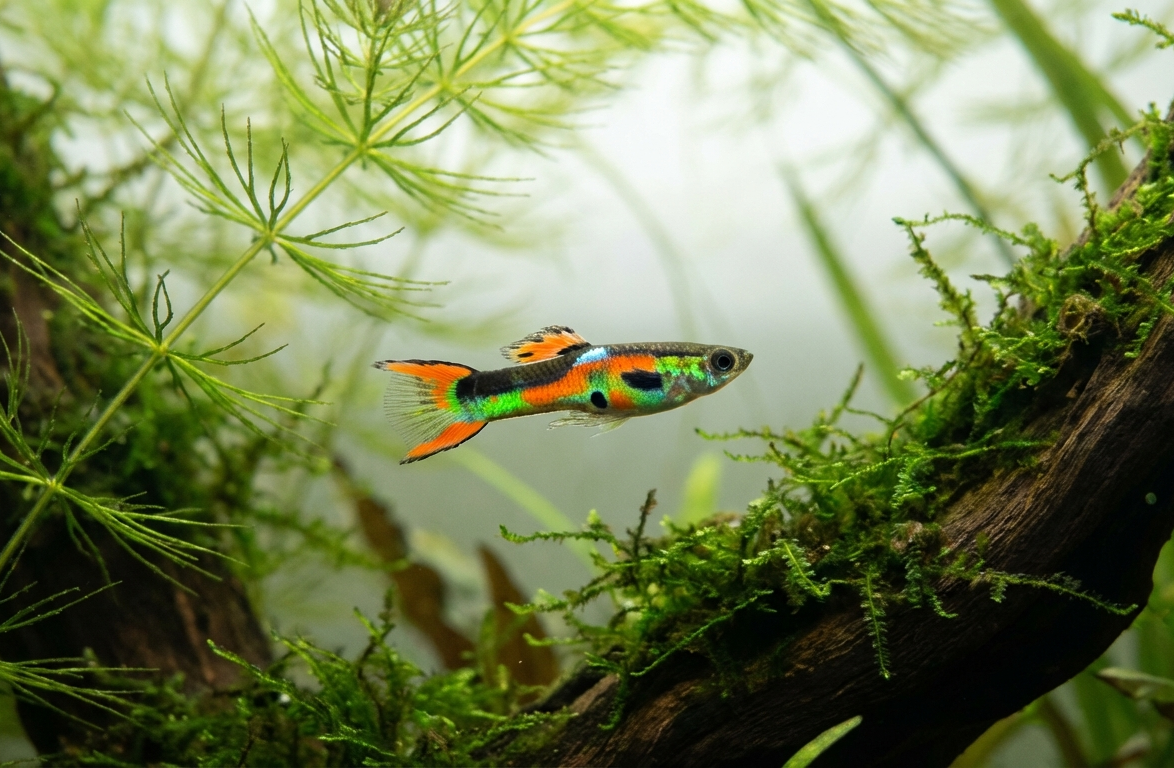
If you’re looking for a stunning, peaceful fish that thrives in nano aquariums, let me introduce you to one of my absolute favorites: the Dwarf Rasbora, scientifically known as Boraras maculatus. Also called the Spotted Rasbora or Pygmy Rasbora, these tiny gems have been stealing the hearts of nano aquarium enthusiasts for years, and for good reason. These fish rarely exceed 2.5 centimeters in length, making them ideal candidates for tanks as small as 10 gallons. Their vibrant red coloration with distinctive dark spots creates a mesmerizing display that brings life to even the smallest aquascapes.
I’ve been breeding Boraras maculatus for over eight years now, and I can confidently say they’re among the most rewarding nano fish to keep. Native to the Malay Peninsula, Singapore, and parts of Sumatra, these little beauties inhabit slow-moving streams and peat swamps in their natural habitat. Understanding their origins is crucial to recreating the conditions they need to truly flourish in your home aquarium. In this comprehensive guide, I’ll share everything I’ve learned about keeping these magnificent micro fish healthy, happy, and even breeding them successfully.
Setting Up the Perfect Tank for Dwarf Rasboras
Creating the ideal environment for Boraras maculatus starts with understanding their natural habitat. These fish come from densely planted, dimly lit waters with plenty of hiding spots and gentle water flow. For a small group of 8-10 individuals (which I always recommend as a minimum), a 10-gallon tank works perfectly, though I personally prefer a 15-gallon setup as it provides more swimming space and greater water stability. The key is to focus on horizontal swimming space rather than height, as these fish occupy the middle to upper water column.
When it comes to aquascaping, think dark substrate, plenty of live plants, and some floating vegetation to diffuse the lighting. I’ve had excellent results using fine dark sand or specialized aquarium soil as substrate. Plants like Java moss, Cryptocoryne species, and small-leaved stem plants create the perfect backdrop for their brilliant red coloration to really pop. Add some Indian almond leaves or alder cones to release beneficial tannins that mimic their blackwater origins. The slightly tea-colored water isn’t just aesthetic; it actually helps reduce stress and supports their immune system. Don’t forget to include some driftwood branches to break up sight lines and create territories, even though these fish are exceptionally peaceful.
Feeding Your Boraras maculatus the Right Way
Feeding these tiny fish requires special consideration because of their incredibly small mouths. In the wild, Boraras maculatus feeds on microscopic organisms, small insect larvae, and zooplankton. This means standard fish flakes are often too large for them to consume comfortably. I’ve seen many newcomers struggle with this aspect, offering food that simply doesn’t fit their dietary needs or physical limitations.
This is where specialized nano fish food becomes absolutely essential. I highly recommend using Nano Fish Food Grow Up Meal, which is specifically formulated with particle sizes perfect for micro fish like Dwarf Rasboras. The small granule size ensures they can actually eat the food, and the nutritional profile supports vibrant coloration and healthy growth. I feed my Boraras twice daily, offering only what they can consume in about two minutes. Supplement their diet with live or frozen foods like baby brine shrimp, daphnia, and microworms two to three times per week. The variety not only provides complete nutrition but also stimulates their natural hunting behaviors, keeping them active and engaged. Remember, overfeeding in nano tanks leads to water quality issues quickly, so restraint is your friend.
Water Parameters and Tank Maintenance Tips
Water chemistry is crucial for keeping Dwarf Rasboras healthy long-term. These fish thrive in soft, acidic water conditions that mirror their natural blackwater habitats. Aim for a pH between 5.0 and 7.0, with 6.0 to 6.5 being the sweet spot in my experience. Water hardness should stay low, ideally between 1-5 dGH. Temperature-wise, they’re comfortable between 73-82°F (23-28°C), though I maintain mine at a steady 76°F (24°C) for optimal health and breeding activity.
Maintaining these parameters doesn’t have to be complicated, but consistency is key. I perform weekly water changes of 20-25%, always using dechlorinated water that’s been temperature-matched to avoid shocking these sensitive fish. Because Boraras maculatus comes from environments with minimal water movement, use a gentle filter or baffle the output to create calm areas. I use sponge filters in my breeding tanks because they provide excellent biological filtration without creating strong currents that stress these small fish. Test your water parameters weekly, especially in the first few months of establishing your tank. The small water volume in nano aquariums means parameters can shift quickly, so vigilance pays off. Keep an eye out for ammonia and nitrite spikes (both should always be at zero), and keep nitrates below 20 ppm through regular maintenance.
Breeding Dwarf Rasboras: A Step-by-Step Guide
Breeding Boraras maculatus is one of the most rewarding experiences in the nano fish hobby, and the good news is that they’ll often spawn without much intervention if conditions are right. These fish are continuous spawners, meaning females will scatter small numbers of eggs regularly when well-fed and comfortable. The challenge isn’t getting them to breed but rather raising the tiny fry successfully.
Here’s my proven breeding approach:
- Conditioning the breeding group: Feed high-quality foods like Nano Fish Food Grow Up Meal along with live foods for 2-3 weeks
- Set up a dedicated breeding tank: Use a 5-10 gallon tank with mature sponge filter
- Add spawning substrate: Dense Java moss or spawning mops work perfectly
- Adjust water parameters: Slightly warmer water (78-80°F) and slightly more acidic (pH 5.5-6.0) triggers spawning
- Introduce conditioned pairs or small groups: Males will display intensified colors and chase females
- Watch for spawning behavior: Usually occurs in early morning hours
- Remove adults after spawning: They will eat their own eggs
- Wait for eggs to hatch: Typically 24-48 hours depending on temperature
The fry are incredibly small and require infusoria or specialized liquid fry food for the first week. After about 7-10 days, they can handle newly hatched baby brine shrimp. Growth is slow but steady, and you’ll see them developing the characteristic red coloration around 6-8 weeks. Patience is essential, but watching these tiny fish grow from barely visible specks to miniature versions of their parents is genuinely magical.
Frequently Asked Questions
How many Dwarf Rasboras should I keep together?
Never keep fewer than 6-8 individuals, as they’re schooling fish that feel secure in groups. I recommend 8-10 for a 10-gallon tank and up to 15-20 for larger nano setups. Larger groups result in more natural behavior and better color display.
Can Boraras maculatus live with other fish?
Absolutely! They’re peaceful and make excellent tank mates for other small, gentle species like Celestial Pearl Danios, small Corydoras species, and dwarf shrimp. Avoid housing them with anything large enough to eat them or aggressive species that might outcompete them for food.
Why are my Dwarf Rasboras losing color?
Color fading usually indicates stress from poor water quality, incorrect parameters, inadequate diet, or lack of security. Check your water parameters first, ensure plenty of plants and hiding spots, and upgrade their nutrition with quality foods designed for nano fish.
How long do Boraras maculatus live?
With proper care, these fish typically live 3-5 years. I’ve had individuals reach nearly 6 years in optimally maintained tanks with stable conditions and excellent nutrition.
Do Dwarf Rasboras jump?
Yes, like many small rasboras, they can jump when startled or during spawning activities. Always use a tight-fitting lid or cover on your aquarium to prevent losses.
Conclusion
Dwarf Rasboras (Boraras maculatus) represent everything wonderful about the nano aquarium hobby. These peaceful, brilliantly colored micro fish prove that you don’t need a massive tank to enjoy a thriving, dynamic aquatic ecosystem. Their small size, peaceful temperament, and stunning appearance make them perfect for both beginners taking their first steps into nano fishkeeping and experienced aquarists looking for a new challenge in breeding projects.
Success with these fish comes down to respecting their specific needs: soft, acidic water, gentle filtration, dense planting, and appropriately sized nutrition like Nano Fish Food Grow Up Meal. When you provide these elements, you’ll be rewarded with active, colorful fish that may even surprise you with babies. The time and attention you invest in creating their ideal environment pays dividends in the form of healthy, vibrant fish displaying their full range of natural behaviors. If you’re considering your first nano fish or looking to add something special to an established small tank, I can’t recommend Boraras maculatus highly enough. These tiny gems have brought me countless hours of enjoyment, and I’m confident they’ll do the same for you.




Leave a Comment
Your email address will not be published. Required fields are marked *